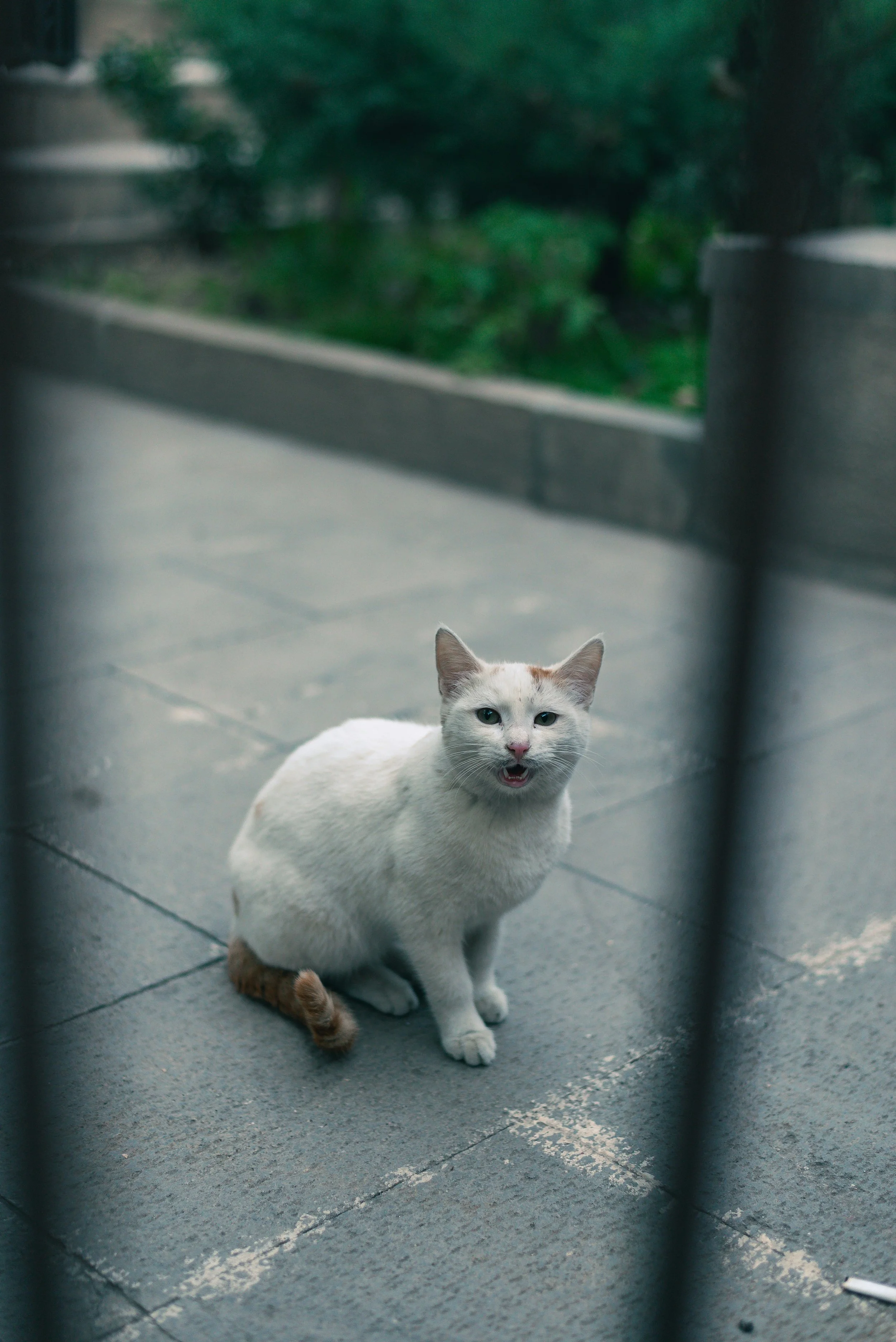
Cats Don’t Meow at Each Other — They Developed It Specifically for You
FurePET is the pet health app that helps you track your cat’s behavior patterns, symptoms, and health changes — all in one place. We’re launching soon. Join the waitlist at furepet.com.
If you live with a cat, you hear it every day. The short chirp when you walk into the room. The long, drawn-out yowl when dinner is three minutes late. The soft trill when they greet you at the door. Meowing is such a constant part of cat ownership that most people never stop to ask a fundamental question: why do cats meow at all?
The answer is one of the most fascinating things in domestic animal behavior: adult cats almost never meow at each other. The meow, as you know it, is a behavior that exists almost exclusively for you. Your cat developed it — over thousands of years of domestication — as a tool for communicating with humans. And the specific way your cat meows at you is unlike the way any other cat on earth meows at their owner.

Some Dog Breeds Are Physically Built to Fart More — Here’s Why
FurePET is the pet health app that helps you track symptoms like these. We're launching soon — join the waitlist at furepet.com.
Every dog farts. That’s not news. But if you’ve ever lived with a Bulldog, a Boxer, or a Pug and then spent time around a Greyhound or a Poodle, you’ve probably noticed a dramatic difference in the frequency and intensity of the gas situation. That’s not a coincidence, and it’s not just about diet.
Some dogs are genuinely, anatomically predisposed to produce more gas than others. And understanding why can help you manage it, know when it’s normal, and recognize when it might be signaling a health issue worth investigating.

The Color of Your Dog’s Ears Could Predict Whether They Can Hear You
There’s a physical trait visible from the day a puppy is born that can predict whether they’ll develop hearing loss — or whether they’re already deaf. It’s not hidden inside their DNA. It’s not buried in a blood test. You can see it with your own eyes every time you look at your dog.
It’s the color of their ears.
More specifically, it’s the presence or absence of pigment in and around the ear. And the connection between coat color, ear pigmentation, and hearing ability is one of the most well-documented — yet least discussed — relationships in veterinary science.

Does Daylight Saving Time Affect Your Pet?
Every spring and fall, millions of people adjust their clocks, grumble about lost sleep, and eventually adapt. But for the pets sharing our homes, daylight saving time can be genuinely disorienting — and most pet parents have no idea it’s happening.
Dogs and cats don’t understand the concept of an hour. They don’t check the time on your microwave or glance at their phone. What they do have is a finely tuned internal clock — a circadian rhythm that governs when they expect to eat, sleep, go outside, and receive attention. When you suddenly shift your entire routine by 60 minutes, their biological clock doesn’t get the memo.
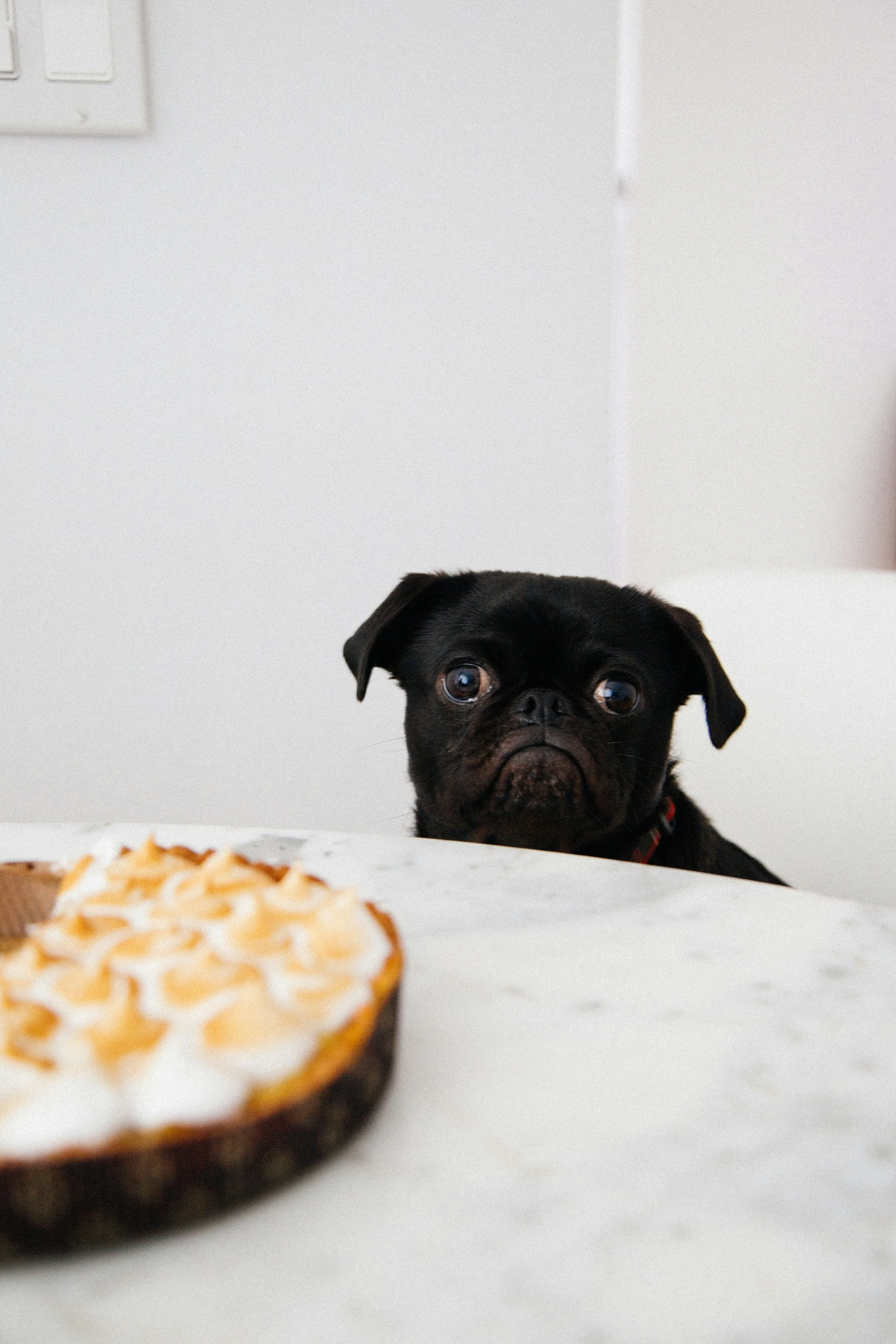
5 Surprising Foods in Your Kitchen That Could Kill Your Dog
We all know chocolate and grapes are bad for dogs. But some of the most dangerous foods hiding in your kitchen are ones you’d never suspect. These five items are commonly found in most households, and they can cause serious harm — or even be fatal — to your dog.

Japan Now Has More Pets Than Children
Japan has reached a surprising demographic milestone: there are now more domestic pets than children under the age of 15. Read on for a breakdown of what that means and why it matters.

Honoring Juneteenth: Freedom, Furry Pets & Forward Momentum
Juneteenth is a day of both reflection and celebration, a time to honor Black resilience and joy, and amplify Black voices and invest in vibrant, thriving businesses.

The "Dog Dads" of Hollywood: A Heartwarming Look at Five Celebrity Canine Companions
In the glitzy world of Hollywood, where stars often shine brighter than their pets, there exists a group of male celebrities who have embraced the role of "dog dads" with genuine affection and commitment. From rescue missions to heartfelt tributes, these men have showcased that their love for dogs transcends the screen. Let's delve into the lives of five notable dog dads and their beloved canine companions.

Dogs and Houseplants: What’s Safe, What’s Toxic, and How to Keep Both Happy
For many of us, pets and plants are part of the family. But what happens when your love for greenery collides with your dog’s curiosity?
Spoiler alert: not all houseplants are safe for dogs—and some can cause serious health problems.
Let’s break down what the research says, which plants are dangerous, and how to create a pet-safe indoor jungle.

Are Dogs Left or Right Pawed? What Science Says About Paw Preference
Have you ever noticed your dog always using one paw first—whether it’s for shaking, reaching, or scratching?
It’s not random.
Dogs, like humans, can be left- or right-pawed. And science has something to say about it.

Do Dogs Cry? The Truth Behind Those Puppy Dog Eyes
Spoiler: It’s complicated—but fascinating.
When your dog gives you those big, glossy eyes, you might wonder: Are they crying? Do dogs feel sadness so deeply that they actually shed emotional tears, like humans do?
Let’s break it down.

How to Gently Approach a Skittish Dog (Without Scaring Them)
Not every dog you meet will come bounding toward you with tail wags and wet kisses.
Some are cautious. Nervous. Skittish.
Maybe they’ve experienced trauma, or maybe they’re just wired to be more fearful of new people or environments.
So how do you convince a skittish dog to go with you—whether you’re a groomer, sitter, rescuer, or just a kind stranger trying to help?

Why Science Says We Pick Dogs That Look (and Act) Like Us
It’s not just your imagination—your dog might be your mirror.
You’ve probably noticed it before: the husky guy with the stocky bulldog. The high-energy woman with the bouncy border collie. Or maybe… you looked at your own pup and thought, “Are we kind of twinning right now?”
Turns out, it’s not just a cute coincidence.
Science shows we tend to choose dogs that both look and behave like us.

The 5 Most Dog-Friendly Cities in the US & Canada to Visit This Summer
Planning a summer getaway with your pup? You're not alone. As more people prioritize their dogs’ happiness and social lives, cities across North America are stepping up — offering dog-friendly beaches, parks, patios, and even cruises.
We’ve rounded up 5 top-tier cities in the US and Canada where you and your furry companion can truly thrive this summer — complete with local activities and dog-loving highlights.

What Really Makes Dogs Happy? (It’s Not Just Treats)
We love to spoil our dogs — toys, beds, gourmet snacks, cute outfits. But what actually makes our furry companions genuinely happy? Beyond the belly rubs and biscuits, true dog happiness comes from a complex mix of mental, emotional, and physical fulfillment. And spoiler alert: it’s not always what we think.

Do Dogs Absorb the Culture of Their Humans? How Food, Music, and Daily Routines Shape Our Dogs
Dogs live deeply immersed in the world of their humans. They hear what we hear. Smell what we cook. Feel our stress levels. React to our rituals.
While we often think of dogs as products of their breed or training, science shows they’re also shaped by the culture of the home — from how we eat to how we dance in the kitchen.
Let’s explore the surprisingly powerful ways that dogs absorb the culinary, musical, and emotional rhythm of human life.

“Our Dogs Aren’t Just Pets — They’re Chosen Family.”
For generations, LGBTQ+ individuals have formed deep, emotional bonds with animals — particularly dogs and cats — that go far beyond standard pet ownership. These bonds aren’t just anecdotal; they’ve been studied, documented, and celebrated in sociology, psychology, and queer culture.
During Pride Month, we often honor love in all its forms — romantic, familial, and platonic. But one often overlooked kind of love is the quiet, healing, unwavering devotion between LGBTQ+ people and their pets.

Why Pets Are the New Family: Exploring the Link Between Declining Birth Rates and the Rise of Pet Parenthood
Why are more people choosing to raise dogs instead of babies? Why are pet supply stores booming while birth rates fall?
We’re living through a cultural shift—and the stats prove it. Around the globe, marriage and childbirth rates are in sharp decline. At the same time, pet ownership is skyrocketing, especially among Millennials and Gen Z. What’s driving this transformation—and what does it say about how we define “family” today?

How Classical Music (and Beyoncé) Can Help Calm Your Dog’s Anxiety
If you've ever played soothing music during a stressful moment, you know how powerful sound can be. But it’s not just humans who benefit—dogs do too. A growing body of research shows that dogs respond to music in very specific ways. From calming nerves to reducing barking, the right playlist can do wonders.

Dogs See in Color—But Not the Way You Think
Let’s bust a myth once and for all: dogs are not colorblind in the way most people think. While it’s true they don’t see the full rainbow of colors like humans do, their vision is far from black and white. In fact, understanding how your dog sees the world can help you design a better environment—and pick toys and accessories that actually stand out to them.